


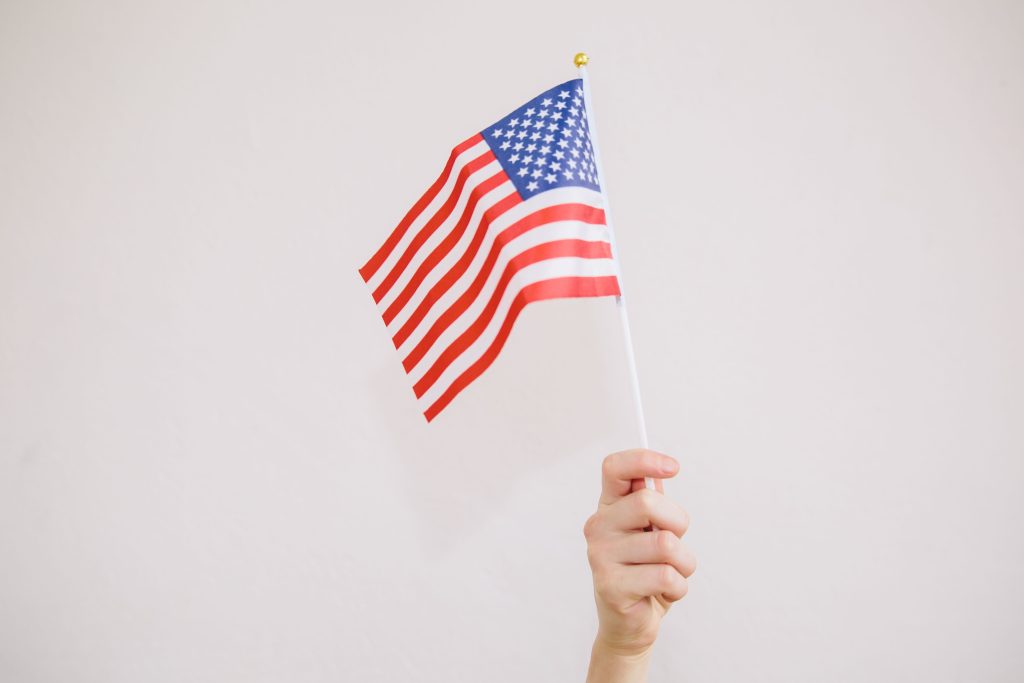
For millions of immigrant families, Independence Day carries a meaning that goes far beyond fireworks and barbecues. It represents the freedom they sought when they left everything behind — and a daily reminder of the gap between America’s founding ideals and the reality many still face.
Every July 4th, the United States celebrates the ideals written into its founding documents: liberty, equality, the right to pursue happiness. For many Americans, the holiday means cookouts, parades, and fireworks over the skyline. But for the roughly 51.9 million immigrants living in the United States — people who crossed oceans and borders to be here — the day holds a different weight entirely.
According to Pew Research Center (August 2025), immigrants now make up 15.4% of the U.S. population. Nearly one in five American workers is foreign-born. These are not abstract numbers. They represent parents, children, neighbors, and colleagues who came here carrying hopes that most lifelong citizens have never been forced to articulate. When you’ve lived in a country where freedom of movement, speech, or safety was not guaranteed, the concept of independence stops being a history lesson. It becomes personal.
As America marks its 250th anniversary, it’s worth pausing to ask a question that abolitionist Frederick Douglass posed in 1852 about a different group of people excluded from the nation’s promises: What, to the immigrant, is your Fourth of July?
Most people who immigrate to the United States didn’t leave home casually. They left because staying had become impossible — or dangerous.
“The Land of the Free” — Seen From the Outside
There’s a particular clarity that comes with viewing a country’s values from the outside. Immigrants often see America’s founding ideals more sharply than those born into them.
Mauro Alvarado, a dual U.S.-Mexican citizen who works as an electrician and crosses the border most days for work, noted something about opportunity that many Americans overlook. “Anybody has a chance to become something here,” he said. “It’s not like in Mexico where you have to have a family member inside a job to give you that job. Here in the U.S., it is equal.”
Nelson, an undocumented worker from Honduras, echoed a similar sentiment. Despite the uncertainty of his day-to-day life, he described Independence Day as a celebration of the chance to build something. “It is worth celebrating that we live in a country where there are many opportunities, regardless of what we experience on a daily basis.”
These perspectives reflect something important. For many immigrants, America’s ideals — even when imperfectly realized — represent something worth holding onto.
What Immigrant Families Actually Celebrate
Despite the fear, the uncertainty, the legal complexity — something remarkable happens in immigrant households across the country every Fourth of July.
They celebrate anyway.
Latif Hafraoui, a Moroccan-born man who spent nearly four months in immigration detention after 38 years in the United States, still has a tradition with his American wife. Every July 4th, they wear matching T-shirts that read “1776,” sit by the window of their New Jersey apartment with a glass of wine, and watch the fireworks light up the New York skyline.
Armande Namegni, still detained in Missouri as she awaits her asylum case, said: “When I think about the Fourth of July, I think about hope to fully experience the opportunities and sense of belonging that America represents. America is still the land of the brave and free. One day I know I will be part of that no matter how long it takes.”
That’s not naivety. That’s the specific, hard-won hope of someone who has seen what the absence of freedom looks like — and who still believes the promise is worth fighting for.
The Promise of Independence — and What It Asks of All of Us
What independence means to immigrant families, ultimately, is something the rest of us might examine in ourselves.
It means freedom of movement. Freedom of speech. Freedom from persecution. The ability to work hard and watch that work translate into something better for your children. These are not abstract political principles to the people who uprooted their lives to reach them.
If you or someone you love is navigating an immigration matter — whether it’s a visa issue, a deportation concern, or the complex path toward permanent residency or citizenship — the legal landscape can feel overwhelming. At Brown Law Group, our experienced immigration attorneys have served the Houston community for over 20 years. We understand that behind every case is a family, a story, and a set of hopes that deserve to be heard and protected.
Reach out today for a free consultation. We’re here to help you navigate your legal challenges with the compassion and expertise your situation deserves.
Frequently Asked Questions
What does Independence Day mean to immigrant families in the United States?
For many immigrant families, Independence Day holds a layered meaning. It represents the freedom they sought when leaving countries where safety, opportunity, or basic rights were not guaranteed. At the same time, the holiday can surface complicated feelings about the gap between America’s ideals and the lived experience of immigrants navigating an uncertain legal landscape.
Why do immigrants often feel a strong connection to American ideals of freedom?
Immigrants who come from countries with limited civil liberties, political persecution, or economic collapse often have a firsthand understanding of what freedom’s absence looks like. That contrast gives American ideals — however imperfectly realized — a specific and personal significance that can be harder to feel for those who have never lived without them.
How many immigrants currently live in the United States?
According to Pew Research Center (August 2025), approximately 51.9 million immigrants live in the United States, representing 15.4% of the total population. Nearly one in five U.S. workers is foreign-born.
What legal options exist for immigrant families facing uncertainty in the U.S.?
Immigrant families may have access to a range of legal remedies depending on their situation, including asylum applications, Temporary Protected Status, DACA, family-based petitions, or other forms of relief. Consulting with an experienced immigration attorney is the best first step to understanding your specific options.
How can Brown Law Group help immigrants and their families?
Brown Law Group provides compassionate immigration legal support to individuals and families in the Houston area. With over 20 years of experience, our attorneys help clients understand their rights, explore available legal options, and navigate complex immigration processes — starting with a free initial consultation.